Mother: Perspectives
“Mother” is local and global. Individual and universal. An institution and part of the private sphere. Loved and hated.
She is someone we grew up with and were shaped by – a pillar in most of our lives, for better or worse. In this year’s programme, we meet mothers who reconcile a village, survive on the streets, defy a dictator – and choose their own daughters.
Mothers and Reconciliation
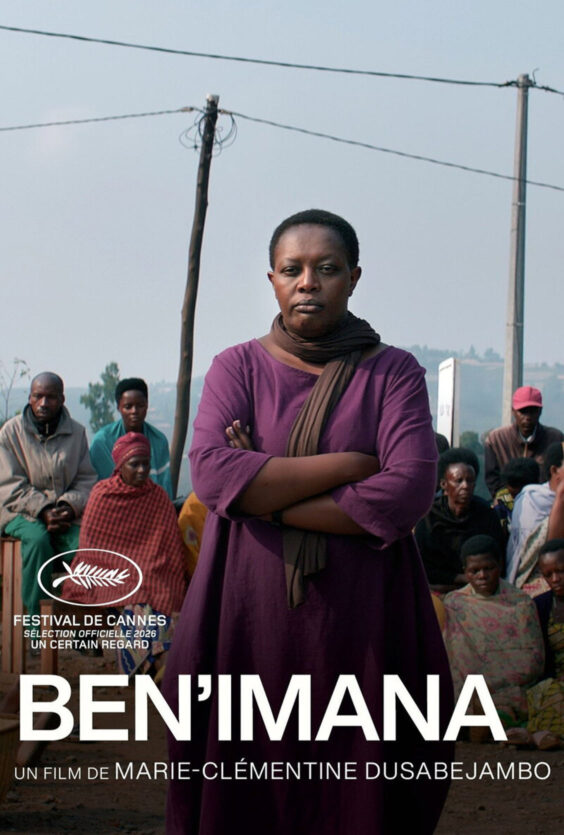
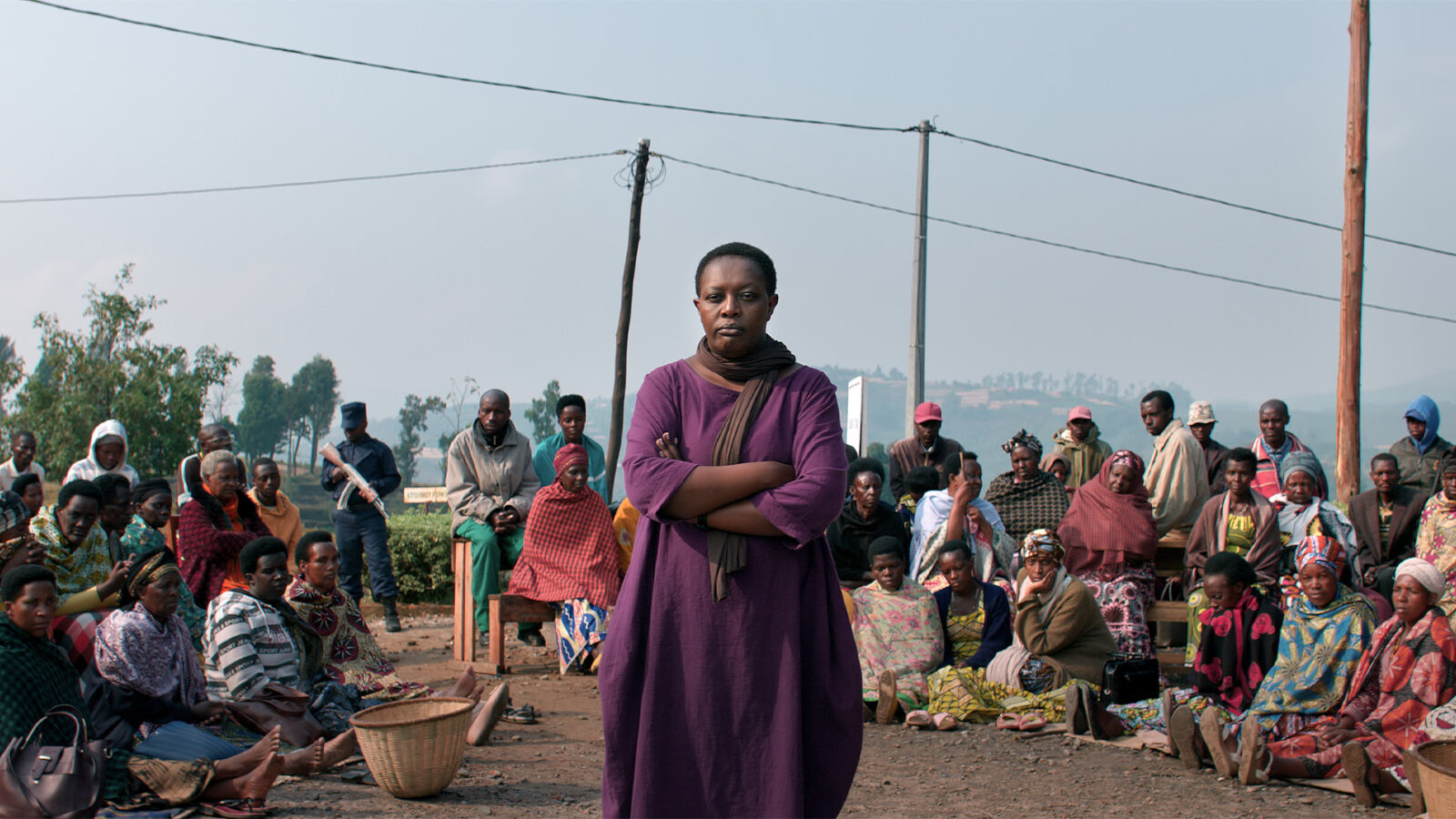
The exceptionally powerful Ben’Imana, from first-time director Marie-Clémentine Dusabejambo, closes with a short dedication: “To Our Mothers”. The film follows the women of a small village in 2012, as the country is in the midst of reckoning with the 1994 genocide. At the heart of this process is Veneranda, who has been given the difficult task of organising conversations between survivors and the families of perpetrators, in the hope that the village can begin to move on from atrocities that have touched everyone. In the middle of all this, her daughter becomes pregnant, and when she discovers who the child’s father is, old wounds from the past are torn open again.
Dusabejambo has described Rwanda as a matriarchal society in which women hold considerable indirect power. After receiving the Caméra d’Or in Cannes, she dedicated the award to mothers: “To those mothers who are at the very root of a nation’s healing. These mothers who, through error and the unspeakable, have found the strength to stand tall with dignity. And even more so, who have found in their hearts the capacity to give, to forgive, and to move forward – even imperfectly, even painfully, even sometimes without succeeding.”
Ben'Imana
Mothers Through the Lens of Class
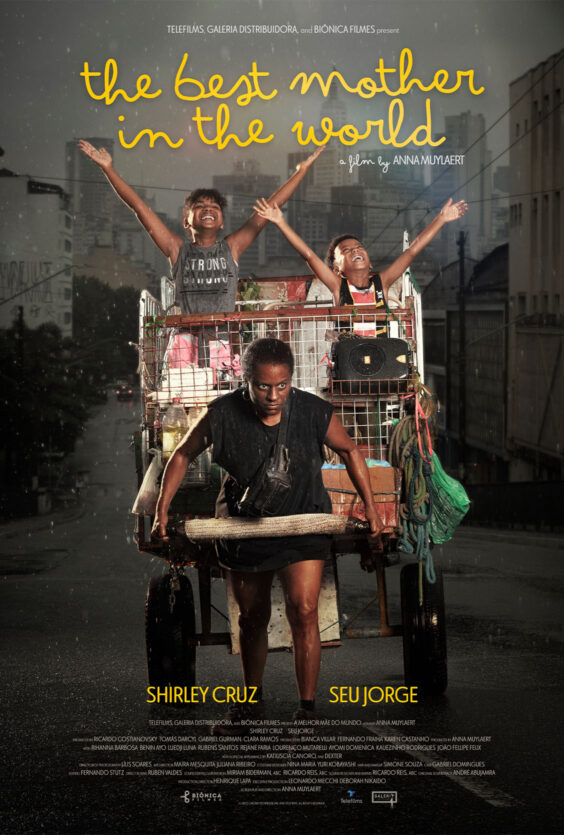
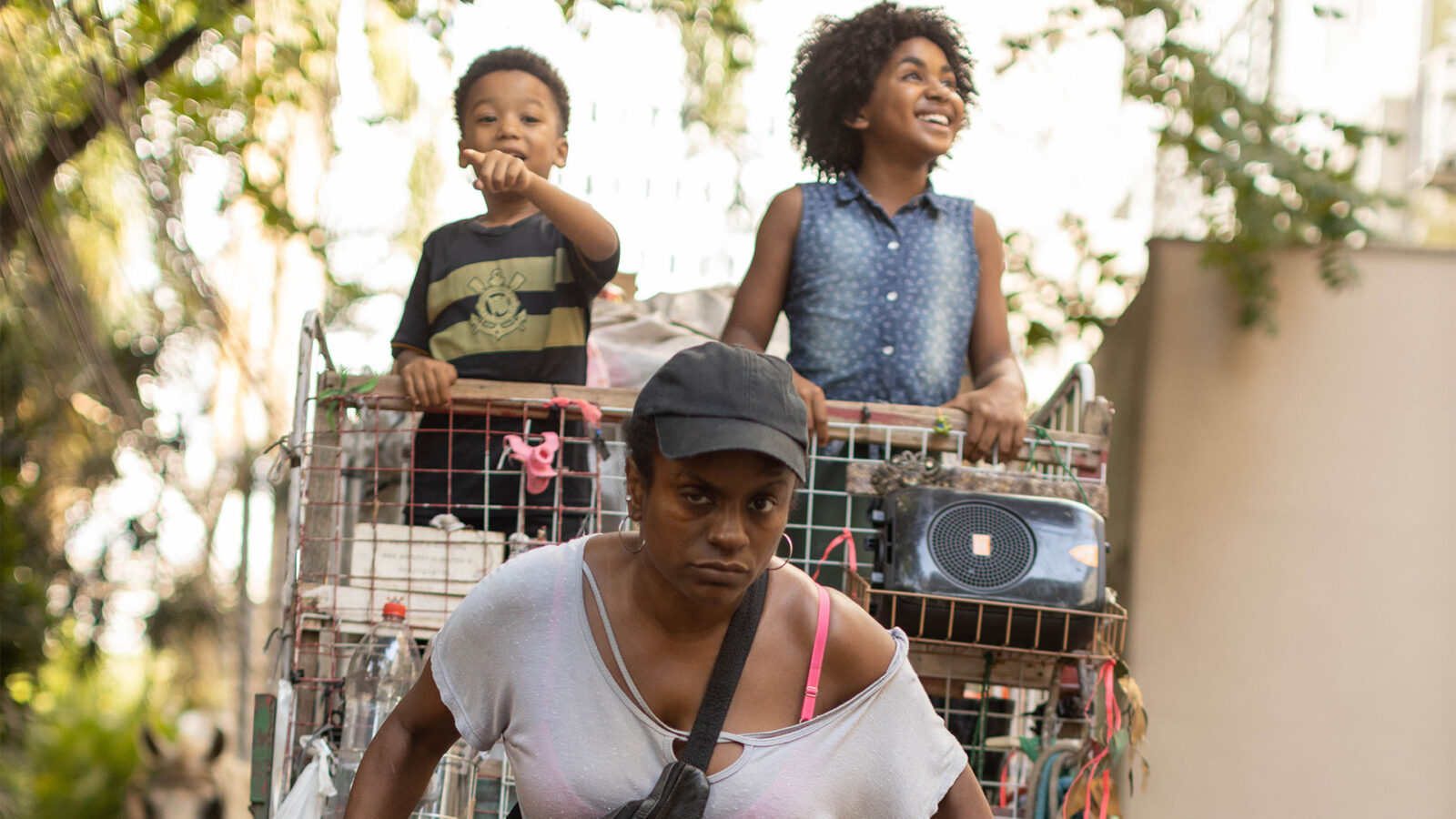
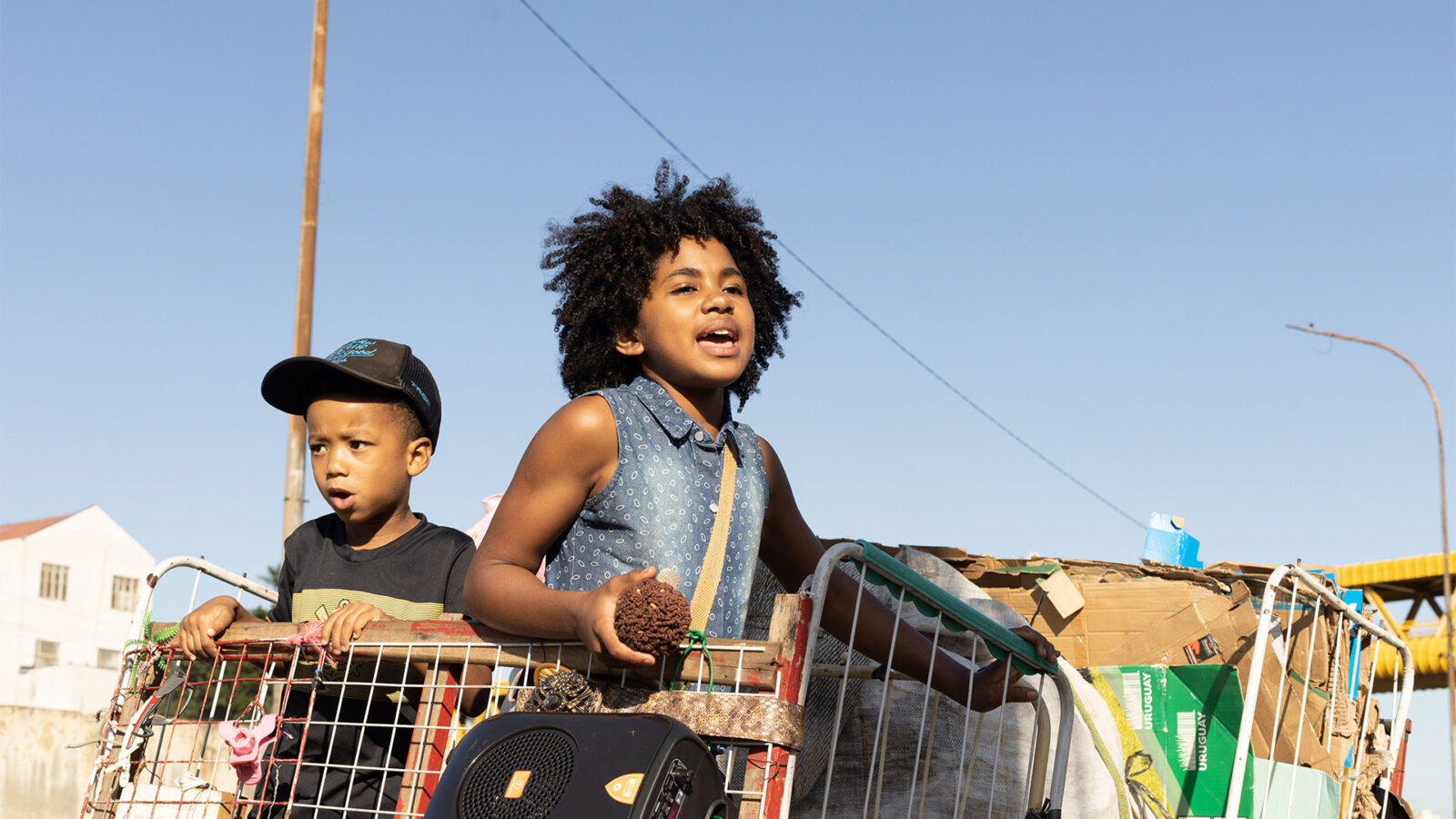
The Brazilian film The Best Mother in the World offers a very different portrait of a mother’s resilience. A mother of two young children flees her home and a violent husband. They must survive on the streets, but she makes the best of life despite their circumstances. The film comes from Anna Muylaert, who in several of her films, most notably The Second Mother and Don’t Call Me Son, has explored motherhood through depictions of Brazil’s vast class divide.
The mother in the film, Gal, is a catadora, one of the people who haul heavy carts of recyclable waste through the streets of São Paulo. In an interview, Muylaert has described how the idea for the film came about when she met a catadora who brought her children to work. Her earlier films have often been set in Brazil’s middle-class milieus. Here, she shifts to the working class, portraying a mother who must reclaim her self-respect in order to be the best mother she can, despite her circumstances.
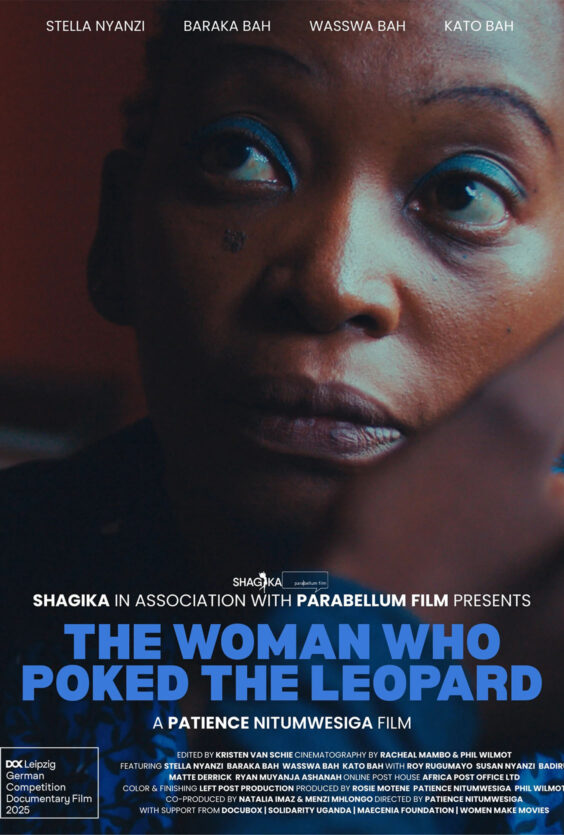
The Woman Who Poked the Leopard
Mother or Activist
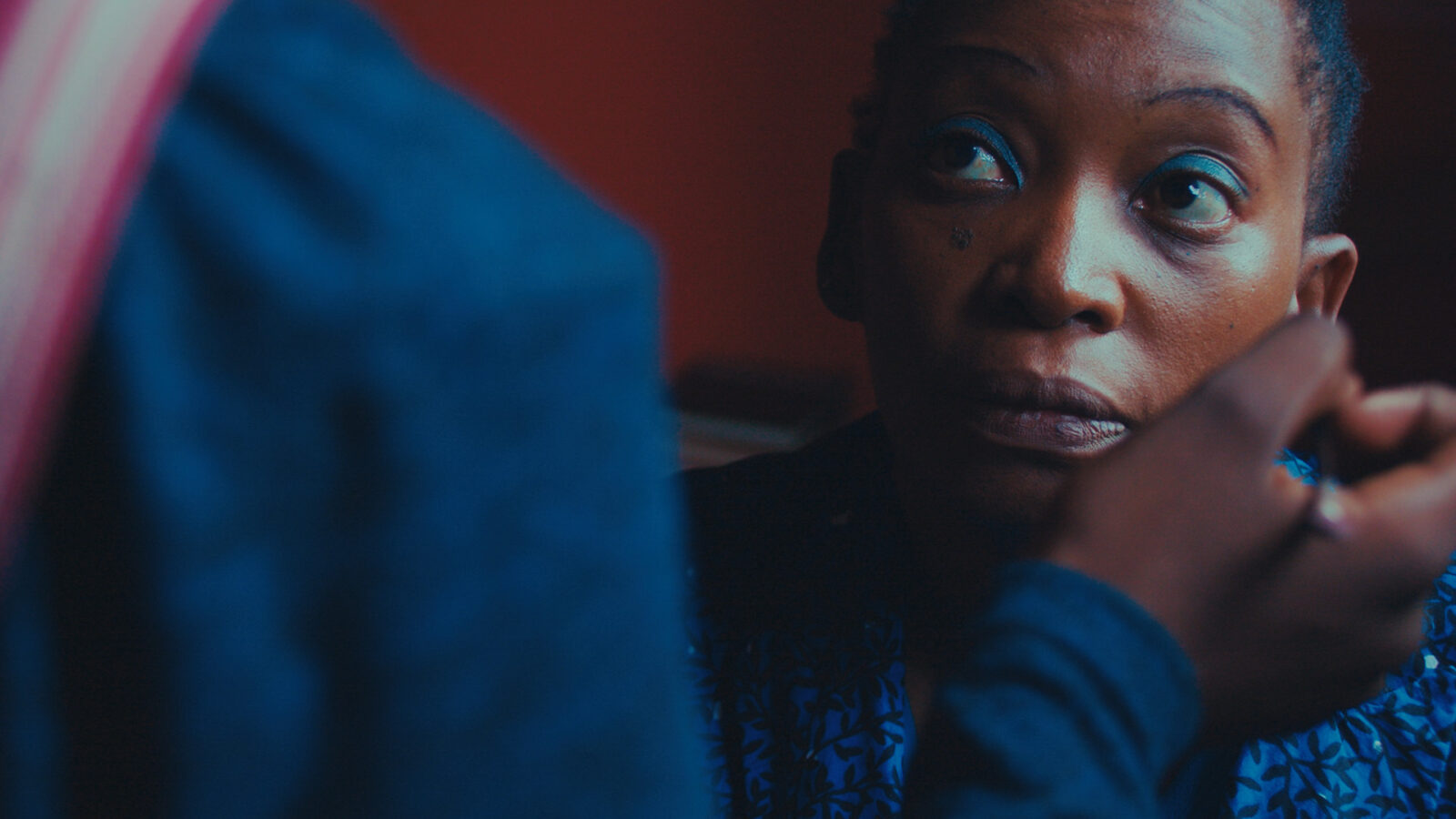
In a completely different portrait, we meet an activist mother in Uganda. The documentary The Woman Who Poked the Leopard follows feminist, gender researcher, anthropologist and poet Stella Nyanzi. She is not afraid to stand up to the dictator Yoweri Museveni, but her activism also has consequences for her family.
Nyanzi is known for what she herself calls “radical rudeness”, a Ugandan tradition of challenging those in power through public insults. A poem in which she insulted Museveni led to her being imprisoned and tortured. While she is an important activist who speaks out against power, she is also a mother of three. Where is the line between one’s responsibility as a citizen and activist and one’s responsibility as a parent? In an interview, she says: “My deepest regret is the effect of every night I slept away from my children.”
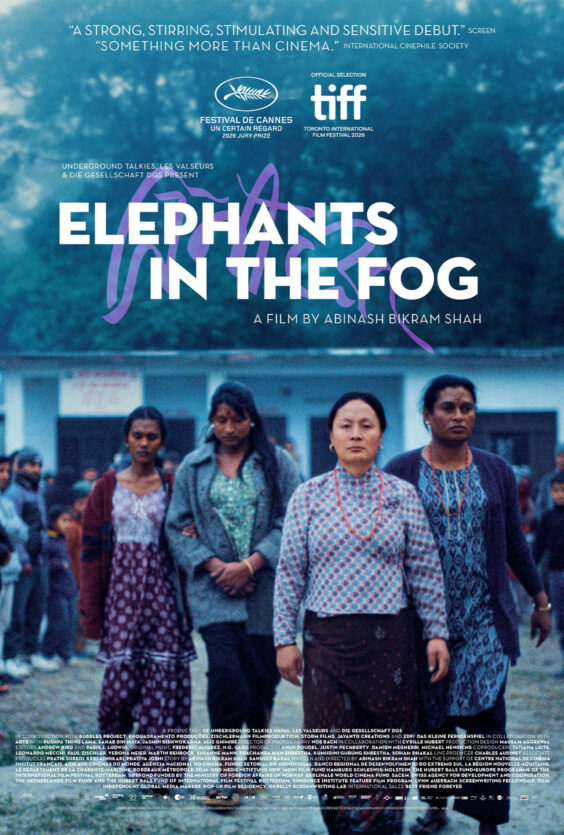
Elephants in the Fog
Choosing to Be a Mother
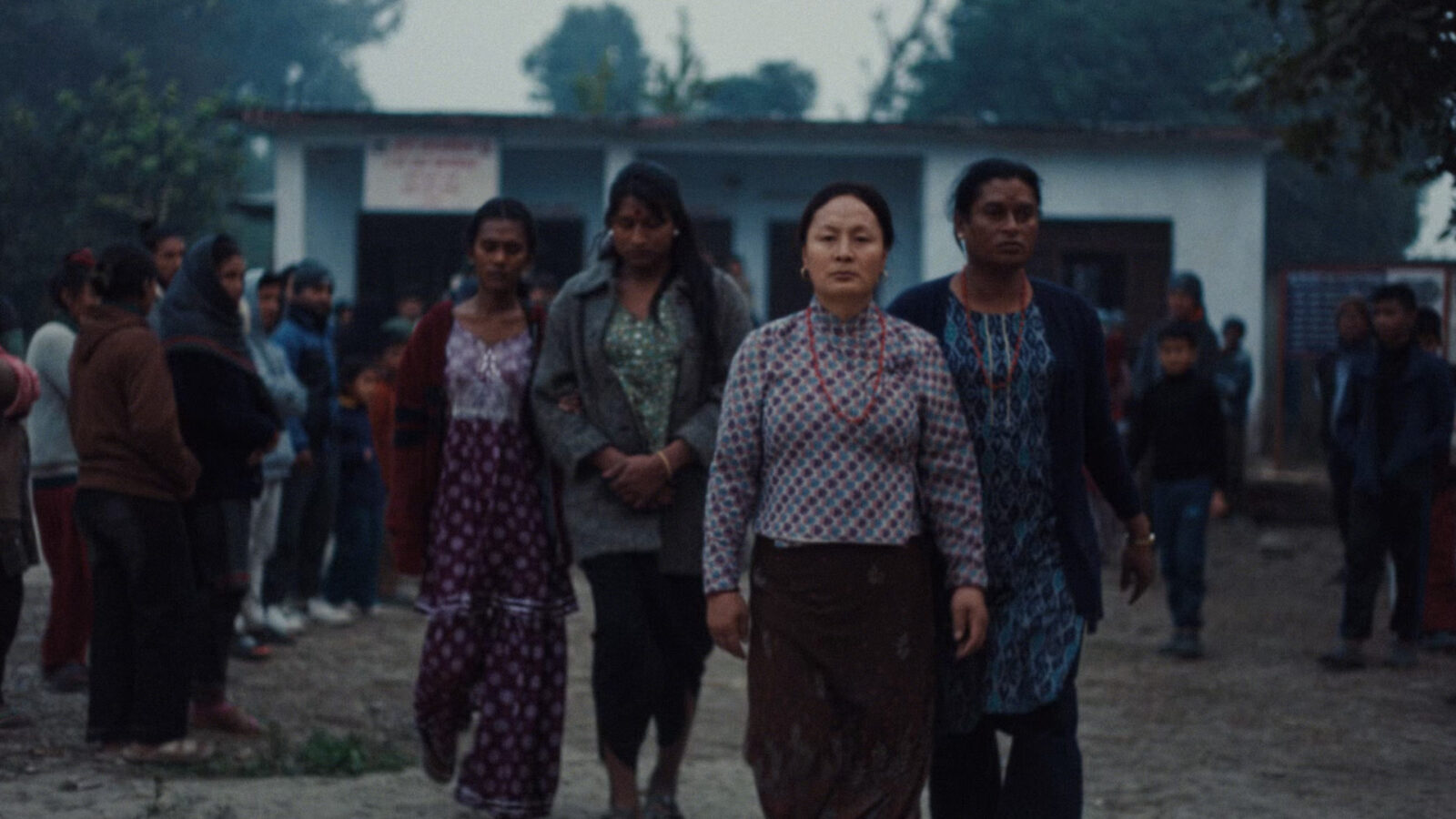
A mother does not always have to be biological. This is beautifully portrayed in this year’s closing film, Elephants in the Fog, which follows a group from the kinnar community in Nepal. It is a tender and powerful story depicting the strong bond between Pirati, a matriarchal leader, and her chosen daughters. The film is a remarkable portrayal of having to create one’s own family, and of choosing to take on the role of mother oneself.
Director Abinash Bikram Shah has said he has long been fascinated by the kinnar community’s idea of chosen family, in which mother-daughter relationships are built not on blood but, above all, on care and love. The lead role of Pirati is played by first-time actor Puspa Thing Lama, who has been a trans activist in Nepal for more than 20 years. This is her first film role, and she has said that her own mother, who raised three children on her own, was an important source of inspiration.
The Best Mother in the World
The films highlighted in this year’s main theme celebrate what a mother can be at her best, but also show how vulnerable motherhood is, and how society, class and norms shape it. Loved and hated, private and political: “Mother” is never just one thing.